
News, Article, and Solution in Cybersecurity Realms.

Why Annual Penetration Testing Is No Longer Enough in Today's Threat Landscape
 ITSEC Asia
If you only went to the doctor once a year, you probably would not assume you were perfectly healthy for the other 364 days. Health changes over time. New conditions can develop, existing issues can worsen, and unexpected problems may arise between checkups. That is why people increasingly rely on regular monitoring and preventive care rather than waiting for an annual appointment to discover something has gone wrong. Cybersecurity works in much the same way. For many years, annual penetration testing has been considered a cybersecurity best practice. Organizations schedule an assessment, receive a report, address the findings, and repeat the process the following year. In relatively static environments, this approach provided a reasonable level of assurance. Modern organizations, however, no longer operate in static environments. Cloud adoption has accelerated. APIs have become essential to digital services. Development teams deploy updates continuously, and third-party integrations have become increasingly common. As organizations move faster, their attack surfaces evolve just as quickly. A system that was secure six months ago may look very


Recent Highlights
AICX 2026 by ITSEC Asia: Indonesia Must Prepare for the Quantum Cybersecurity Threat Now
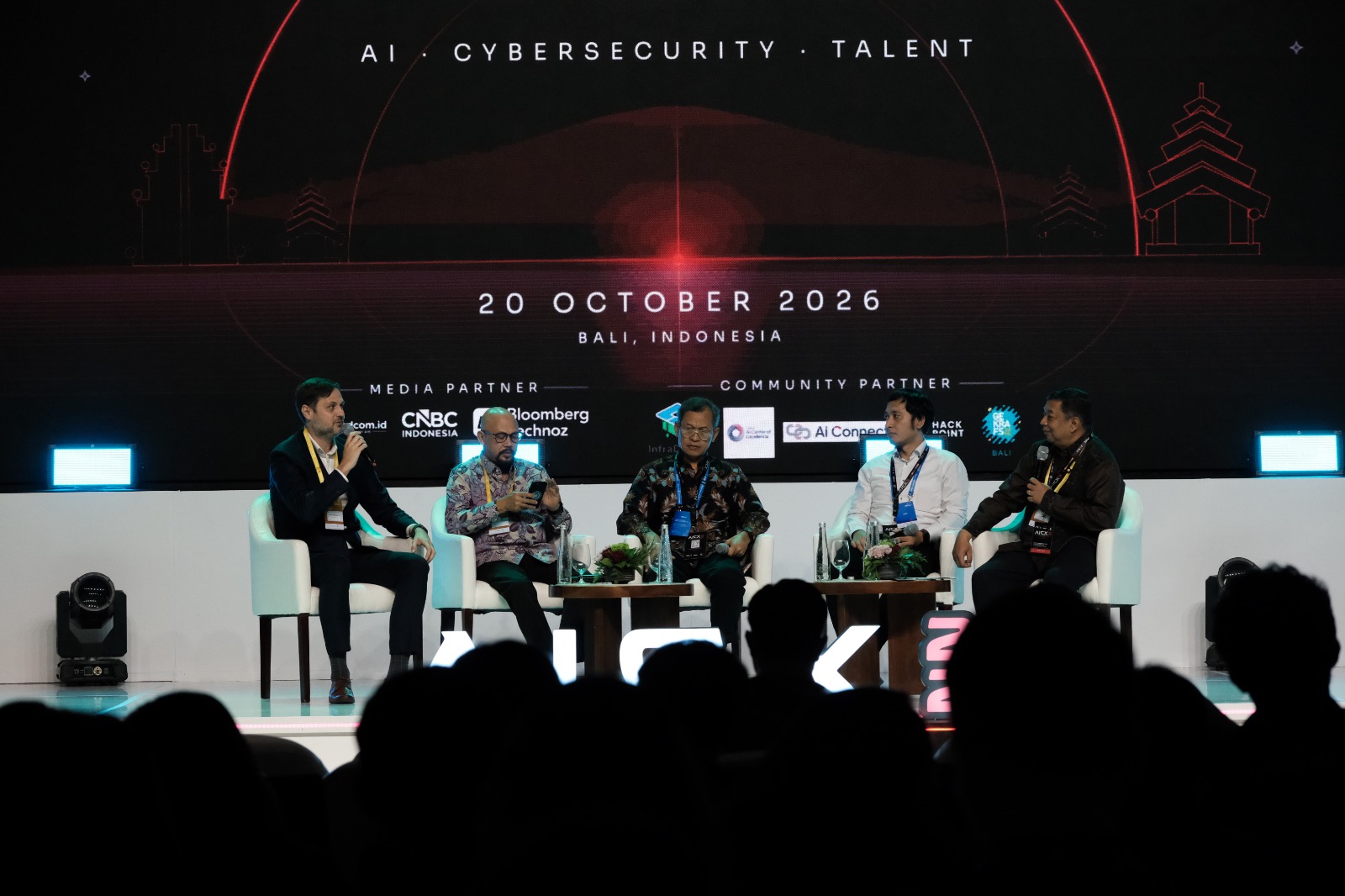
ITSEC AsiaITSEC Asia, a leading cybersecurity and AI company in Indonesia, brought together experts from academia, research and industry at AICX 2026 to discuss how Indonesia should prepare for quantum computing. Today’s quantum computers cannot yet break widely used RSA encryption, but organisations need to start preparing. Encrypted data collected today could become a target for decryption in the future as quantum technology advances. This risk is known as “harvest now, decrypt later”, in which adversaries collect encrypted data today in the hope of decrypting it later. To address it, organisations need to understand the cryptographic systems they rely on, identify data that requires long-term protection and plan a transition to encryption methods designed to withstand quantum-enabled attacks. The issue was the focus of the AICX 2026 panel session “Beyond the Cryptographic Cliff: Quantum, Cyber and The Next Defense”, held by ITSEC Asia at the Bali Beach Convention Center in Sanur, Bali. The discussion brought together perspectives from academia, research and the technology ecosystem on the cybersecurity implications of quantum computing

ITSEC Asia Presents AICX 2026 as a Milestone for Indonesia’s Digital Resilience
ITSEC AsiaITSEC Asia co-hosted AICX 2026 with Indonesia’s Ministry of Communication and Digital Affairs on Tuesday, 20 October 2026, at Bali Beach Convention in Sanur, Bali. Held as part of Bali Tech Week 2026, the forum welcomed more than 600 participants and 25 speakers from government, regulatory bodies, business leadership, technology and academia, representing both Indonesia and the international community. Cyberattacks that disrupt services and interrupt business operations are occurring as AI accelerates technological change. For governments and businesses alike, the ability to anticipate threats, maintain operational continuity and recover systems has become increasingly urgent. Under the theme “AI, Cyber & Quantum: Indonesia's Next Chapter,” AICX 2026 brought stakeholders together to address these challenges and consider what Indonesia needs to prepare for next. AICX builds on the ITSEC Cybersecurity & AI Summit held last year, which brought together policymakers, business leaders and experts from across ASEAN. This year, the forum was co-hosted with the Ministry of Communication and Digital Affairs, bringing AI and cybersecurity into a shared discussion. Policymakers gained direct perspectives

If AI Takes the First SOC Tasks, Where Will Tomorrow's Analysts Learn?
ITSEC AsiaSecurity operations centres have long served as training grounds for cybersecurity professionals. New analysts learn to review alerts, investigate suspicious activity, correlate logs and recognize patterns that experienced colleagues can identify almost instinctively. The work may be repetitive, but repetition builds judgment. AI is changing that arrangement. Automated systems can summarize alerts, correlate events and prioritize potential threats, reducing the time analysts spend on routine investigation. The productivity gains are attractive, especially for teams managing large volumes of security events. The workforce question is what happens to the people who would have learned by doing that work. The UK government's Cyber Security Skills in the UK Labour Market 2026, published on 29 September 2026, found that 70% of cybersecurity businesses reported staff using AI in their daily work, up from 53% in the previous study. The report also found that 73% expected their need for AI skills to increase over the following 12 months. Its qualitative research raised a specific concern: automation and agentic AI could displace some entry-level SOC tasks, restricting
Editor's Choice
Receive weekly
updates on new posts
.png)
Indonesia
Noble House, Level 11
Jakarta 12950, Indonesia
Singapore
112 Robinson Road, #11-04
Singapore 068902
Australia
Level 22, 120 Spencer St Melbourne,
Victoria, 3004
United Arab Emirates
Golden Mile 4, Office 13, Floor M,
Palm Jumeirah, Dubai, United Arab Emirates
Mauritius
The Catalyst Building, Ground Floor, Lot 40,
Silicon Avenue Ebene, Mauritius
Copyright © ITSEC 2026 | All Rights Reserved