.png)
Cybersecurity Indonesia: Rising Cyber Threats and the Importance of a Strong Digital Security Strate
Cybersecurity Indonesia has become increasingly important as the country accelerates its digital transformation. As cloud adoption, AI technologies, mobile applications and digital services continue to grow across Indonesia, cyber threats are also becoming more sophisticated and aggressive.
 ITSEC Asia
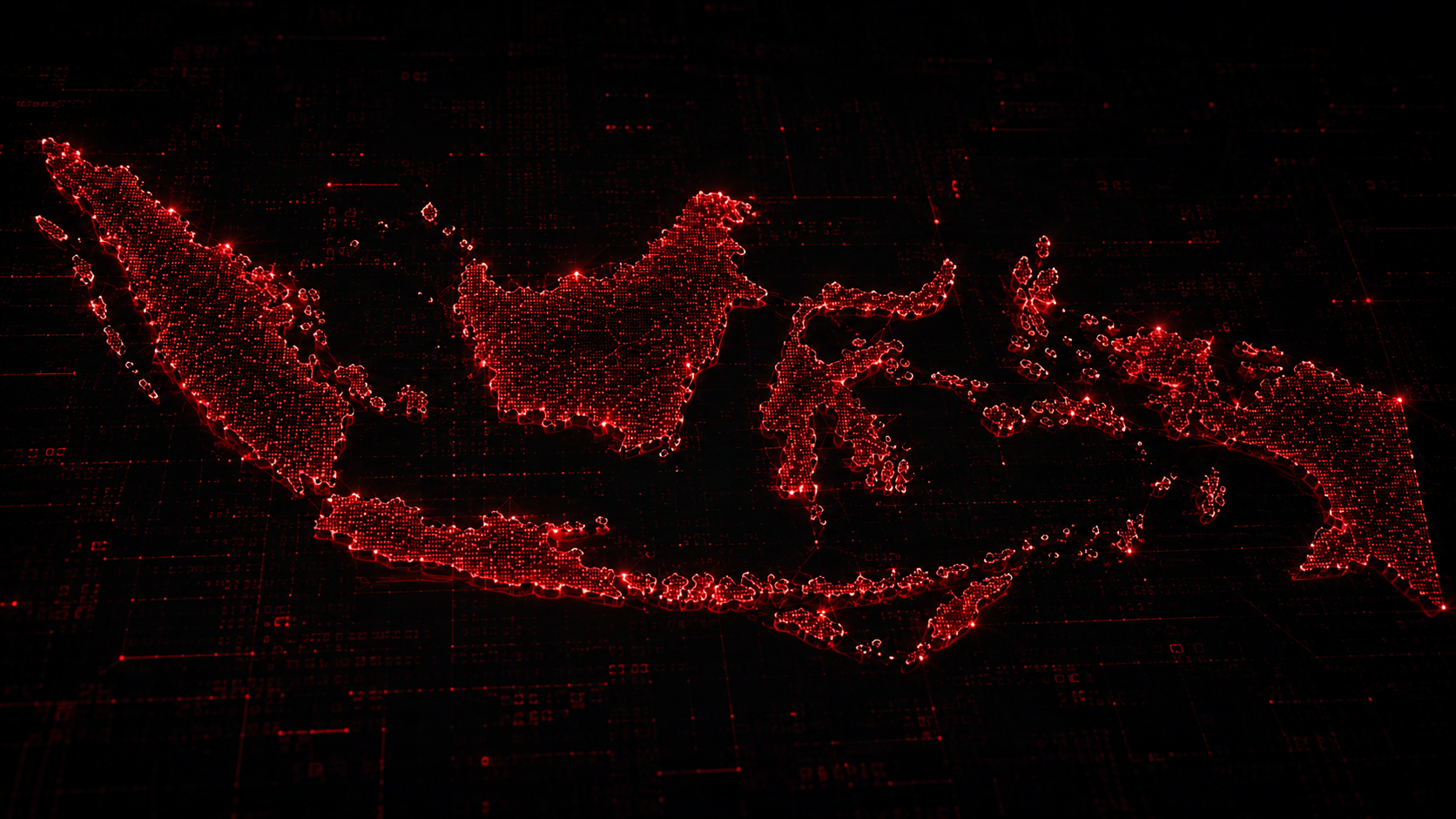
Indonesia is facing a growing risk of ransomware attacks, phishing campaigns, data breaches and digital infrastructure exploitation that can impact business operations, public services and customer trust. In recent years, sectors including government, financial services, manufacturing, education and digital platforms have become major targets of cyber attacks.
As one of the leading cybersecurity companies in Indonesia, ITSEC Asia provides cybersecurity services designed to help organizations strengthen cyber resilience and protect against evolving digital threats.
Why Cybersecurity Indonesia Has Become a National Priority
Cybersecurity Indonesia is no longer just a technical concern. Cybersecurity has become a critical component of business resilience and national digital security.
Indonesia’s fast-growing digital economy is driving organizations to adopt new technologies at a rapid pace. At the same time, cyber threats continue to evolve through:
- Ransomware attacks targeting organizations
- Customer and sensitive data breaches
- AI-powered phishing and social engineering
- Cloud infrastructure attacks
- Web and mobile application exploitation
- Threats against critical infrastructure
Organizations across Indonesia are increasingly recognizing that cyber attacks are not a matter of “if” but “when.”
What Is Cybersecurity?
Cybersecurity refers to the practice of protecting systems, networks, applications and data from digital attacks. In the context of cybersecurity Indonesia, strong cybersecurity implementation has become essential as nearly every aspect of business operations is now digitally connected.
Cybersecurity services in Indonesia typically include:
- Penetration Testing
- Vulnerability Assessment
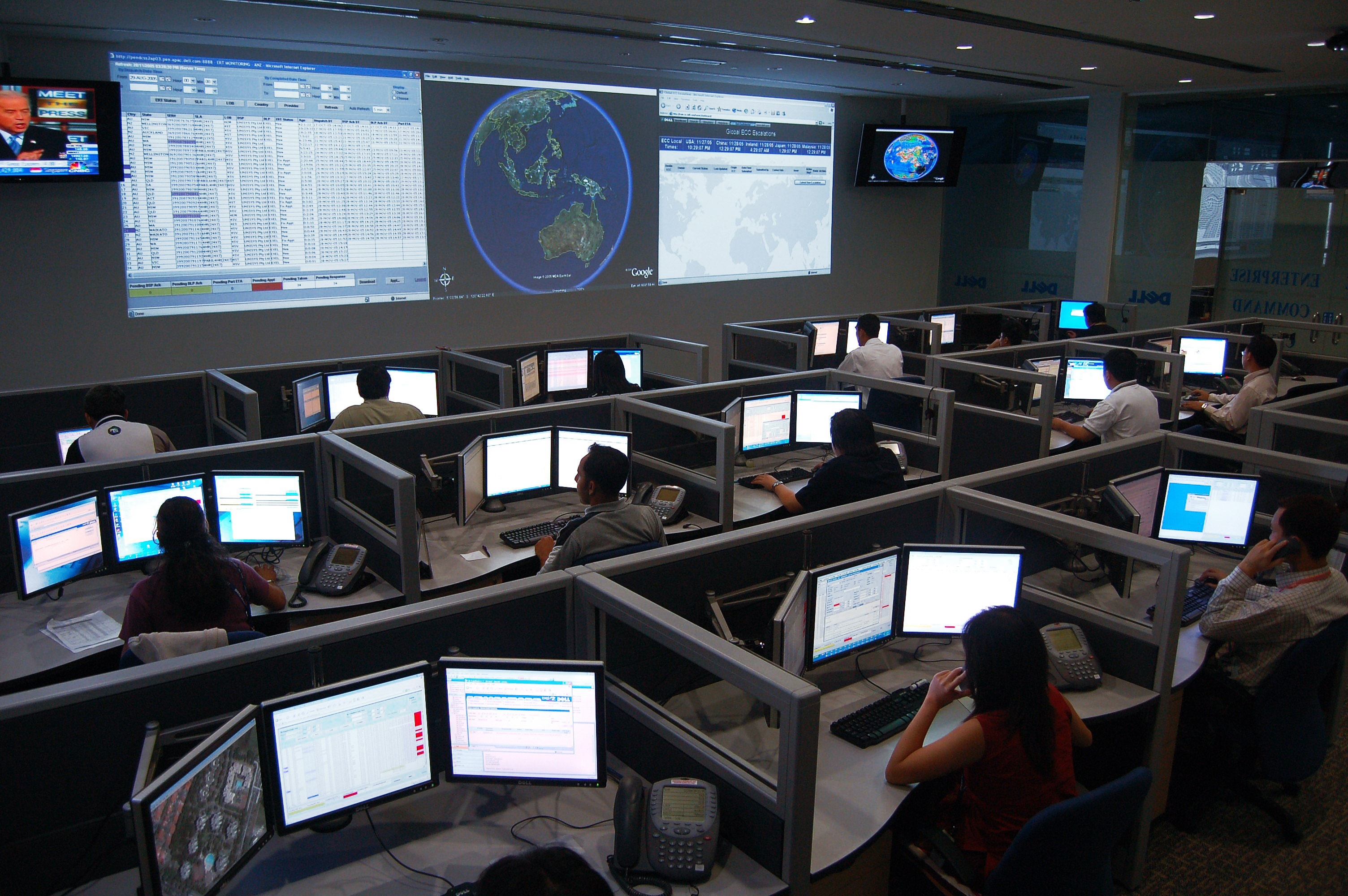
- Security Operations Center (SOC)
- Managed Security Services
- Digital Forensics & Incident Response
- Cloud Security
- Threat Hunting
- Red Team Assessment
- Security Awareness Training
- OT/ICS Cybersecurity
As a cybersecurity company in Indonesia, ITSEC Asia provides a broad range of cybersecurity services including penetration testing, SOC services, digital forensics, cloud security and OT/ICS cybersecurity solutions.
Why Companies Need Cybersecurity Indonesia Services
Businesses are becoming increasingly dependent on digital systems, cloud platforms and online services. As digital dependency grows, the potential impact of cyber incidents also increases significantly.
Cyber attacks can result in:
- Business disruption
- Financial losses
- Data breaches
- Reputational damage
- Compliance and legal risks
- Loss of customer trust
This is why organizations need cybersecurity Indonesia providers that understand local challenges while also having international cybersecurity experience.
As a cybersecurity company operating in Indonesia and the APAC region, ITSEC Asia has more than 16 years of experience delivering cybersecurity services across multiple industries including government, financial services, telecommunications, manufacturing and critical infrastructure.
Cybersecurity Indonesia Trends in 2026
1. AI-Driven Cyber Attacks Are Increasing
Threat actors are increasingly using AI to automate phishing, malware development and social engineering attacks.
2. Ransomware Continues to Grow
Ransomware remains one of the most significant cybersecurity threats globally, affecting organizations of all sizes.
3. Cloud Security Is Becoming a Top Priority
As organizations migrate workloads to the cloud, cloud security and infrastructure protection have become essential.
4. Demand for Managed Security Services Is Rising
Many organizations are adopting managed security services and SOC monitoring to strengthen 24/7 cybersecurity operations.
5. Cybersecurity Awareness Is Critical
Human error continues to be one of the leading causes of cybersecurity incidents, making employee awareness and training increasingly important.
How to Choose a Cybersecurity Company in Indonesia
When selecting a cybersecurity Indonesia provider, organizations should consider:
- Industry experience and track record
- Certifications and technical expertise
- Incident response capabilities
- Security monitoring and SOC services
- Threat intelligence capabilities
- Compliance and regulatory understanding
- Cross-industry experience
ITSEC Asia supports organizations across various industries by providing cybersecurity consulting, security assessments, managed services and incident response capabilities tailored to evolving cyber risks.
The Future of Cybersecurity Indonesia
Cybersecurity Indonesia will continue to play a vital role in supporting the country’s digital economy and national resilience. As cyber threats become more complex, organizations must adopt proactive and sustainable cybersecurity strategies.
Investing in cybersecurity is no longer only about protecting technology. It is about protecting business continuity, customer trust and operational stability in an increasingly connected digital environment.
As part of the growing cybersecurity Indonesia ecosystem, ITSEC Asia continues to support organizations through cybersecurity services, digital security education and technology innovation to help businesses address modern cyber threats.